


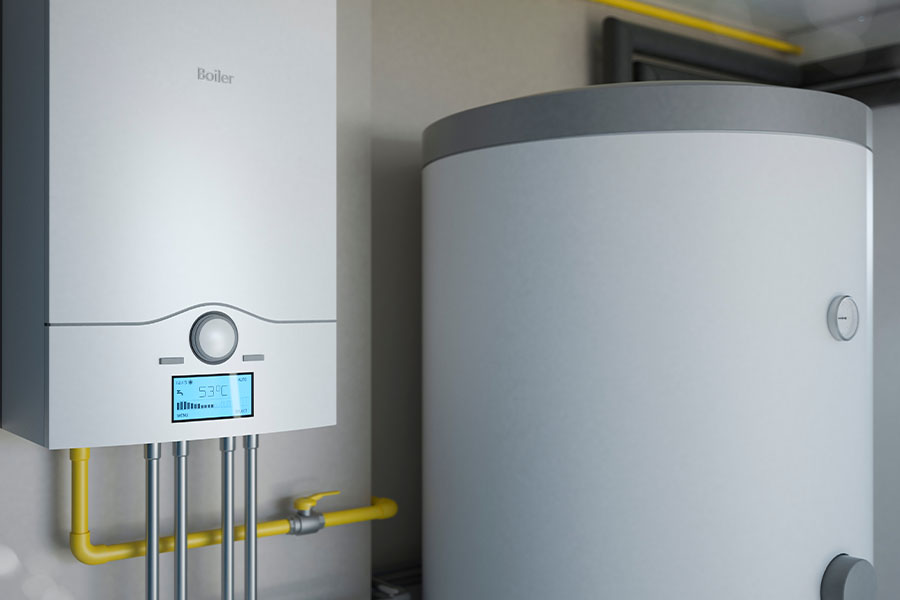
Understanding your boiler is vital for maintaining a safe and efficient home as a homeowner in Jefferson, GA. You might notice signs of failure like strange noises or leaks, which can escalate if not addressed promptly. Knowing how to check the power supply and inspect the pressure gauge can save you time and money. But what should you do when those signs appear? Discover the essential tips you need to keep your boiler running smoothly.
Understand the Signs of Boiler Failure
When your boiler starts showing signs of failure, it can feel like your comfort is on the line. Recognizing these warning signs early can save you from a major inconvenience.
First, pay attention to unusual noises. If you hear banging, gurgling, or hissing, it’s time to investigate.
Next, check for leaks—any water pooling around the unit should raise a red flag.
Additionally, don’t ignore these issues if your boiler isn’t heating your home effectively or the pressure gauge is reading unusually low.
You might also notice a sudden increase in energy bills; this can indicate inefficiency.
Finally, if you smell gas or see a yellow flame instead of blue, shut off the boiler immediately and call a professional. Choosing to upgrade to energy-efficient boilers can help prevent many of these issues from arising in the first place.
Being proactive about these signs can help guarantee your home remains warm and comfortable.
Check the Power Supply
After identifying the signs of boiler failure, the next step is to check the power supply. First, verify the boiler is plugged in and the power switch is on. Sometimes, a simple oversight like a tripped circuit breaker can cause your boiler to shut down.
Head to your electrical panel and reset any tripped breakers. If you notice blown fuses, replace them promptly.
Next, inspect the power cord for any signs of damage or wear. If it looks frayed or broken, replacing it before proceeding is essential.
Also, check for any loose connections at the terminal box; these can disrupt the power flow.
If you’ve ruled out all these issues and the boiler still won’t operate, it might be time to call a professional. Remember, seeking help from NATE-certified technicians can ensure a quick diagnosis and effective repairs.
Inspect the Pressure Gauge
When you inspect the pressure gauge on your boiler, check that it’s within the normal pressure range. Fluctuations outside this range can indicate potential issues that need your attention. Keeping an eye on this gauge can help prevent bigger problems down the line. Regular service ensures that your boiler operates within the normal pressure range, which is key to maintaining safety and efficiency.
Check Normal Pressure Range
How do you know if your boiler is operating efficiently? One key indicator is the pressure gauge.
First, check the normal pressure range specified in your boiler’s manual, usually between 1 and 2 bars when the system’s cold. If the needle sits within this range, your boiler is likely functioning properly.
However, if it’s too low, your system may struggle to heat effectively. Conversely, excessive pressure can lead to dangerous situations.
Make it a routine to inspect the gauge regularly, especially during seasonal changes. If you notice any discrepancies, don’t hesitate to contact a professional.
Identify Pressure Fluctuations
Regularly checking the pressure gauge is just as important as ensuring it stays within the normal range.
Fluctuations in pressure can signal underlying issues with your boiler that need immediate attention. When you notice the gauge reading higher or lower than usual, don’t ignore it.
High pressure can lead to dangerous situations, while low pressure might indicate leaks or air in the system.
Take a moment to inspect the gauge regularly and familiarize yourself with its normal readings. If you spot any significant deviations, it’s time to call in a professional.
Ignoring these fluctuations could result in costly repairs or even a complete system failure.
Keep your boiler safe and efficient by staying vigilant!
Examine the Thermostat Settings
When your boiler isn’t heating properly, the first thing you should do is examine the thermostat settings.
Check the temperature display to guarantee it’s set to your desired level, and verify that the mode selection is correct.
Sometimes, a simple adjustment can get your system back on track. Additionally, it’s important to ensure that your system is receiving regular maintenance to prevent future issues and maintain efficiency, especially to improve indoor air quality.
Check Temperature Display
Have you checked your thermostat settings lately? A quick glance at the temperature display can save you a lot of trouble.
Ascertain the temperature is set to your desired level; sometimes, it can accidentally get adjusted. If your boiler isn’t heating, this could be the issue. Look for any error codes or unusual readings on the display.
If the temperature seems off, consider resetting your thermostat—this can clear any glitches. Remember, a malfunctioning thermostat mightn’t accurately reflect your home’s temperature, leading to inefficient heating.
The display might need new batteries or professional attention if it is blank or flickering. Addressing these simple aspects first can help prevent bigger problems down the line.
Verify Mode Selection
One essential step in guaranteeing your boiler operates efficiently is verifying the mode selection on your thermostat.
First, check if it’s set to “heat” instead of “cool” or “off.” If it’s in the wrong mode, your boiler won’t activate properly, leaving your home cold.
Next, verify the temperature setting is higher than your current room temperature. If it’s too low, the boiler won’t kick in.
Additionally, confirm that any programmable schedules align with your current needs. If you’ve recently adjusted settings, it’s easy to overlook this detail.
By taking these simple steps, you can often resolve heating issues without requiring professional help.
If problems persist, don’t hesitate to call in an expert from Conditioned Air Systems for assistance.
Look for Leaks Around the Boiler
Leaks around your boiler can lead to costly repairs and safety hazards, so it’s crucial to check for them regularly.
Start by inspecting the area around the boiler for any signs of water accumulation or dampness. Pay close attention to the pipes, fittings, and valves; even small drips can indicate a bigger problem. If you notice any moisture, wipe the area dry and monitor it over the next few hours. If the moisture returns, you likely have a leak that needs immediate attention.
Don’t forget to check the pressure gauge as well. If it’s showing unusually low levels, it may signal a leak or other issues.
If you can’t pinpoint the source, calling a qualified technician is your best bet. Timely action can save you from extensive damage and keep your home safe.
Inspect the Ventilation System
After checking for leaks, it’s important to inspect your boiler’s ventilation system. Proper ventilation guarantees that harmful gases, like carbon monoxide, are safely expelled from your home.
Start by examining the vent pipes for any blockages or damage. Look for signs of rust, corrosion, or crumbling materials, as these can indicate serious issues.
Make certain that the vents are securely connected and free from any obstructions, such as leaves or debris. If you notice any problems, it’s best to shut off the boiler and contact a professional for repair.
Also, check that the airflow isn’t restricted; proper airflow is vital for efficient operation.
Lastly, verify that your air intake is clean and unobstructed. Taking these steps can help keep your home safe and your boiler running efficiently, preventing emergencies before they start.
Bleed the Radiators
If your radiators aren’t heating properly, air might be trapped inside them.
Bleeding the radiators can help release that air and restore heat, ensuring your home stays cozy.
Let’s go over the proper bleeding technique to get your system running smoothly again.
Understand Air Trapping
When your heating system starts to lose efficiency, it’s often a sign of air trapping within your radiators. This trapped air prevents hot water from circulating properly, leading to cold spots in your home.
You might notice some radiators are warm at the top but cold at the bottom, indicating that air is stuck inside. Addressing this issue is essential for maintaining ideal heating performance.
You’ll want to keep an eye on your radiators and check for any signs of air buildup. If you’re experiencing uneven heating, it’s time to act.
Understanding air trapping helps you recognize when it’s necessary to bleed your radiators, ensuring your heating system runs smoothly and efficiently throughout the winter months.
Proper Bleeding Technique
Recognizing the signs of air trapping in your radiators is the first step toward restoring your heating system’s efficiency.
To bleed your radiators properly, follow these steps:
- Turn off your heating system to avoid hot water spraying.
- Use a radiator key to open the bleed valve slowly.
- Listen for hissing as trapped air escapes; this is normal.
- Close the valve when water begins to flow steadily.
- Check your boiler pressure and adjust if necessary.
Reset the Boiler System
To restore your boiler system’s functionality, start by locating the reset button, typically found on the front of the unit or near the burner.
Once you’ve found it, make sure you check the power supply and that the system is plugged in. Press the reset button firmly; you should hear a click or see an indicator light. This action can often resolve minor issues.
After resetting, monitor the boiler for unusual noises or leaks. If it fires up, great! However, if the system doesn’t respond or shuts down again, something more serious may be at play.
In that case, double-check the thermostat settings, making certain they’re set correctly. Additionally, inspect for any error codes on the digital display, as these can guide you toward the problem.
Always prioritize safety—if you’re unsure about any step, it’s best to consult a professional.
Know When to Call a Professional
After resetting your boiler system and checking its basic functions, you might find that it’s still not operating correctly.
In situations like this, it’s essential to know when to call a professional. Ignoring persistent issues can lead to bigger problems, putting your comfort and safety at risk.
Here are some signs that it’s time to seek expert help:
- You smell gas or experience strange odors.
- The boiler is making unusual noises, like banging or hissing.
- There’s leaking water or significant moisture around the unit.
- The pressure gauge is consistently low or fluctuating.
- Your energy bills have suddenly increased without reason.
Don’t hesitate to reach out to Conditioned Air Systems when you notice these red flags.
Their 24/7 emergency service guarantees you’ll get the help you need to restore your home’s comfort and safety.
Regular Maintenance to Prevent Emergencies
Regular maintenance can make all the difference in preventing boiler emergencies, ensuring your home stays warm and safe. By scheduling regular inspections, you can catch potential issues before they escalate.
Check the pressure gauge and water levels frequently, and look for any unusual noises or leaks.
Cleaning the boiler’s components, like filters and vents, is essential for efficient operation.
Don’t forget to bleed your radiators to remove trapped air, which can hinder performance.
Additionally, consider investing in a service contract with a trusted company like Conditioned Air Systems. Their NATE-certified technicians can provide expert care and peace of mind.
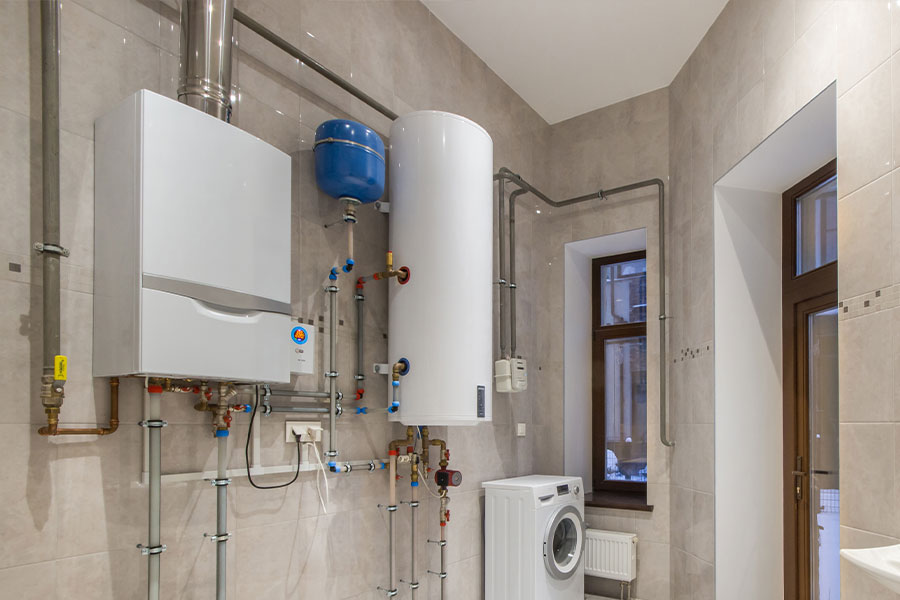
Conclusion
In a small town like Jefferson, it’s easy to overlook your boiler until something goes wrong—like the time your neighbor’s heating failed during a sudden cold snap. Don’t let that happen to you! By staying vigilant and following these emergency repair tips, you can keep your home warm and safe. Remember, regular maintenance is key to preventing emergencies, and knowing when to call a professional can save you from a chilly disaster. Stay proactive!