
If you’re facing issues with your air handler in Suwanee, GA, it’s vital to know how to troubleshoot effectively. Common problems can often be resolved with a few simple checks. From thermostat settings to airflow inconsistencies, you can take control of the situation. Still, knowing when to call a professional can save you time and hassle. Let’s investigate the steps you can take to guarantee your air handler operates smoothly.
Common Air Handler Issues in Suwanee, GA Homes
When your air handler isn’t working properly, it can lead to discomfort in your home, especially during the hot Georgia summers.
One common issue you might encounter is inadequate airflow. This could be because of clogged filters, blocked ducts, or malfunctioning fans.
You may likewise notice unusual noises, like grinding or rattling, which can indicate loose components or motor problems.
If your air handler continuously runs without achieving the desired temperature, it might be struggling with refrigerant levels or thermostat issues.
Another issue is short cycling, where the system turns on and off repeatedly, often caused by an oversized unit or faulty sensors.
Finally, if you see water pooling around the unit, it could be a sign of a clogged drain line.
Identifying these issues early can save you time, money, and discomfort, so stay vigilant and address problems as they arise. Regular maintenance and prompt repairs can significantly enhance the energy efficiency of your HVAC system.
Essential Tools for Troubleshooting
Having the right tools at your disposal is fundamental for effectively troubleshooting air handler issues.
With the right equipment, you can diagnose problems more accurately and efficiently. Here’s a list of must-have tools to keep on hand:
- Multimeter: This tool helps you measure voltage, current, and resistance, allowing you to check electrical components.
- Screwdriver Set: A variety of screwdrivers will help you access different parts of your air handler.
- Flashlight: Good lighting is indispensable for spotting any issues in dimly lit spaces.
- Vacuum Cleaner: Keeping your air handler clean is crucial; a vacuum can help remove dust and debris.
Additionally, having a basic understanding of AC maintenance can assist you in preventing future issues and ensuring optimal performance.
Step-by-Step Troubleshooting Process
To effectively troubleshoot your air handler, start by systematically identifying the problem and ruling out common issues.
First, check your thermostat settings to verify it’s set correctly. If it’s unresponsive, replace the batteries.
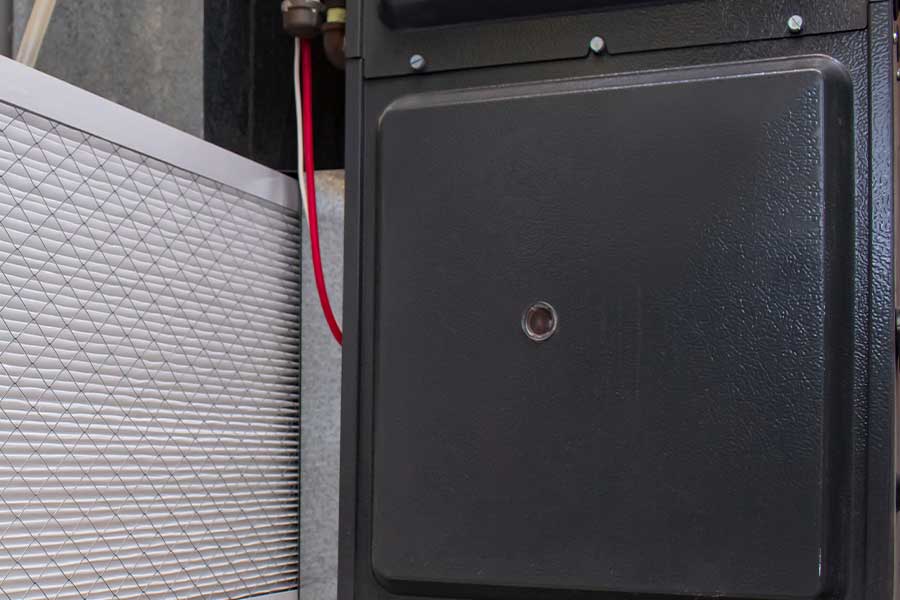
Next, inspect your air filter; a dirty filter can restrict airflow, leading to poor performance.
If the air handler runs but doesn’t cool, listen for unusual noises, which could indicate a mechanical issue.
Confirm the circuit breaker hasn’t tripped, and reset it if necessary.
Check the condensate drain for clogs, as water buildup can cause shutdowns.
Finally, examine the ductwork for leaks or blockages, which can hinder airflow. Ensuring that your ducts are properly sealed can significantly enhance energy efficiency in your home.
When to Call a Professional
Sometimes, in spite of your best efforts, troubleshooting your air handler can lead to more confusion than clarity.
It’s essential to recognize when it’s time to call in a professional. If you notice any of these signs, don’t hesitate to reach out for help:
- Unusual noises like grinding or banging
- Frequent cycling on and off
- Inconsistent airflow or temperature
- Unpleasant odors are coming from the unit
These issues can indicate underlying problems that require specialized knowledge and tools. Additionally, regular maintenance is crucial for preventing unexpected breakdowns and ensuring your air handler operates efficiently.
Trying to fix them yourself could lead to further damage or safety hazards. Remember, it’s better to invest in professional assistance than risk your comfort or safety.
At Conditioned Air Systems, our NATE-certified technicians are ready to help you with any air handler issues. We treat your home like our own and guarantee your system runs efficiently and safely.
Don’t wait; call us anytime!
Preventative Maintenance Tips for Air Handlers
While it might be tempting to overlook your air handler until issues arise, regular preventative maintenance can save you from costly repairs and improve your system’s efficiency.
Start by changing the air filter every 1-3 months to guarantee proper airflow and indoor air quality. Clean the unit’s exterior and remove any debris that could obstruct airflow.
Schedule annual professional inspections with a qualified technician from Conditioned Air Systems to catch potential problems early. Check the drain pan and condensate lines for clogs, as moisture buildup can lead to mold growth.
Monitor your system’s performance; if you notice unusual noises or fluctuating temperatures, address those concerns immediately.
Finally, keep your thermostat calibrated to maintain accurate temperature settings.
Conclusion
In the grand theater of home comfort, your air handler plays the unsung hero, often overlooked until it takes its final bow. You’ve checked the thermostat, inspected the filters, and listened for those peculiar sounds—yet, here you are, pondering the mysteries of airflow. Ironically, the simplest fixes can elude even the most diligent homeowner. So, when in doubt, don’t hesitate to call in a professional; after all, even heroes need a sidekick from time to time.