


When your furnace isn’t working right, it can be frustrating, especially in Sugar Hill’s colder months. You might not realize that simple adjustments can often solve the problem. By checking your thermostat settings, inspecting air filters, and more, you can keep your home warm without calling a professional. But what other steps should you take to guarantee your furnace runs smoothly? Let’s investigate some crucial DIY tips that every homeowner should know.
Check the Thermostat Settings
Before diving into more complex furnace repairs, it’s essential to check the thermostat settings first. Often, the issue isn’t with the furnace itself, but rather the settings you’ve chosen.
Start by confirming the thermostat is set to “heat” and that the temperature is set higher than the current room temperature. If it’s a programmable thermostat, double-check the schedule to make sure it hasn’t been accidentally altered.
Next, replace the batteries if they’re battery-operated; weak batteries can cause erratic behavior. If your thermostat has a digital display, look for error messages or flashing lights, indicating something’s amiss.
Finally, verify the thermostat is clean and free from dust, as this can affect its performance. Taking these steps can often solve your heating issues quickly, allowing you to focus on more significant problems if necessary. Remember, regular maintenance is key to keeping your heating system in optimal condition.
It’s all about keeping things simple before getting into the nitty-gritty!
Inspect and Replace Air Filters
While you may not think about it often, inspecting and replacing air filters is an important step in maintaining your furnace’s efficiency and performance. Clogged filters can restrict airflow, making your furnace work harder and waste energy.
To avoid this, check your filters every month, especially during peak usage seasons. If they appear dirty or discolored, it’s time for a replacement.
Choosing the right filter is vital—opt for a high-efficiency filter that captures dust and allergens. Make sure to follow the manufacturer’s recommendations on size and type.
When you replace the filter, remember to note the date, so you can keep track of when it needs changing next. Additionally, regular maintenance, including annual tune-ups, can help ensure your furnace runs efficiently and effectively throughout the winter months.
Clean the Furnace and Surrounding Area
Cleaning your furnace and the surrounding area is essential for maintaining its efficiency and preventing potential hazards. A clean system operates better and reduces the risk of fire and other issues.
Here are three key steps to guarantee your furnace stays in top shape:
- Vacuum Dust and Debris: Use a vacuum with a hose attachment to remove dust, dirt, and debris from the furnace and its vicinity. Pay special attention to vents and duct openings.
- Clear the Area: Make sure there’s at least a three-foot clearance around your furnace. Remove any flammable materials, such as cardboard boxes, cleaning supplies, or clothing.
- Inspect for Leaks: After cleaning, check for any signs of gas leaks or corrosion. If you notice anything unusual, contact a professional immediately. Regular maintenance helps maintain a cozy and safe home for you and your family.
Examine the Pilot Light or Ignition System
After confirming your furnace and the surrounding area are clean, it’s time to check the pilot light or ignition system.
First, locate the pilot light if your furnace uses one. If it’s out, relight it according to the manufacturer’s instructions. Make sure the flame is steady and blue—yellow or orange flames could indicate a problem.
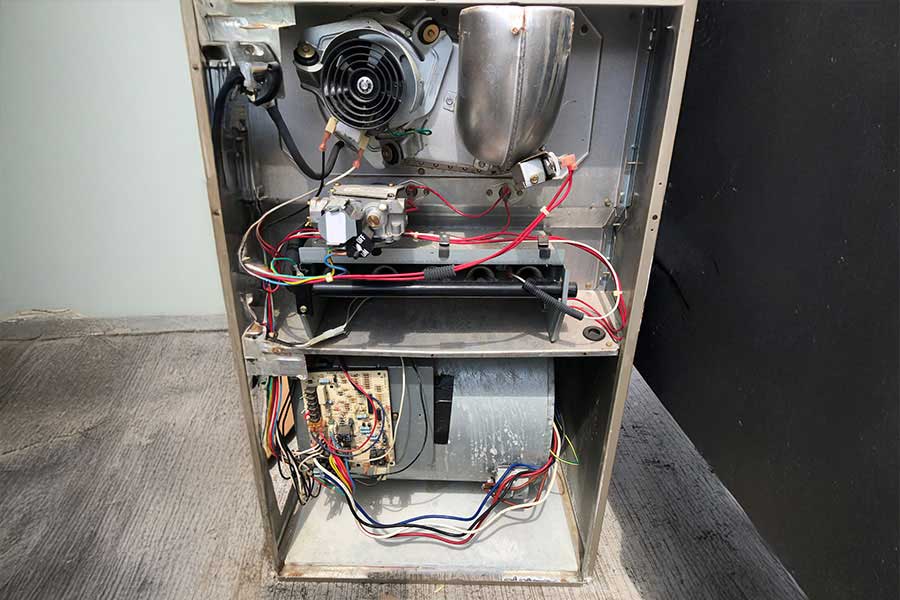
If your furnace has an electronic ignition system, check for any error codes on the control board. Verify power is on, and inspect any wiring for damage. If the ignition system isn’t working, it may need replacement or servicing. Always prioritize safety by turning off the power and gas supply before attempting any repairs.
Upgrading to a new furnace can significantly improve home energy performance, which is crucial for maintaining comfort during colder months. If you’re unsure about the process or if issues persist, don’t hesitate to contact a professional. Keeping your furnace in top shape guarantees warmth and comfort during those chilly nights in Sugar Hill, GA.
Monitor for Unusual Noises and Odors
As you keep an eye on your furnace, be alert for any unusual noises or odors that could signal a problem. Ignoring these signs might lead to bigger issues down the line.
Here are three things to watch for:
- Banging or Clanging: These sounds may indicate loose parts or debris in the blower.
- Hissing or Whistling: This could point to a gas leak or air escaping through cracks.
- Burning Smell: A strange odor, especially if it smells like something’s burning, can mean electrical issues or overheating components.
If you notice any of these symptoms, it’s best to act quickly. Turn off your furnace and contact a professional for further assessment.
Monitoring your furnace closely helps guarantee a safe and comfortable environment in your home.
Conclusion
By following these DIY furnace repair tips, you can tackle common issues and keep your home cozy all winter long. But what if something goes wrong in spite of your best efforts? The chilling truth is, ignoring strange noises or odors could lead to bigger problems down the road. Stay vigilant, and don’t hesitate to call a professional if you sense trouble. Your furnace’s health—and your comfort—depend on it. Will your furnace be ready when you need it most?