

Cleveland sits in the heart of White County at an elevation that makes its winters genuinely cold. This area sees more sustained cold weather than communities further south, and that puts real demand on home heating systems. A furnace that is starting to struggle will usually give you warning.
Watch for these warning signs:
If any of these are showing up in your home, a quick service call now is far better than an emergency call when temperatures drop below freezing.
Cleveland and the surrounding White County area have a housing mix that reflects the character of mountain foothills Georgia. There are older farmhouses and established homes in and around the historic downtown, vacation and retirement properties on the outskirts, and a number of manufactured homes spread across the rural stretches of the county.
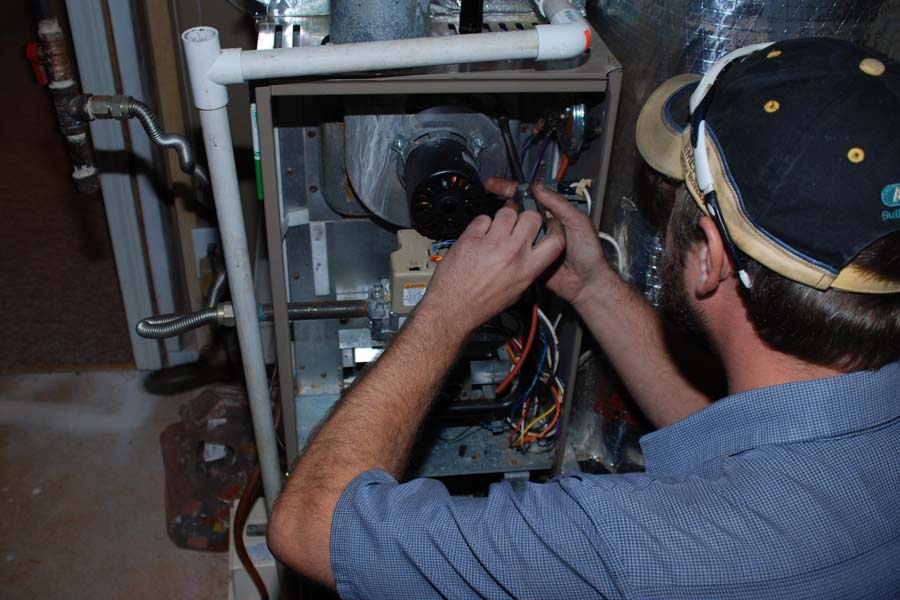
The elevation and cooler temperatures in Cleveland mean furnaces here work harder and longer each winter than systems in lower-lying parts of north Georgia. That extra workload accelerates wear on components like ignitors, heat exchangers, and blower motors. We regularly find systems in this area that have been pushed well past the point where maintenance would have made a difference.
Moisture is another significant factor. The mountain air in White County carries humidity that settles into crawl spaces, attics, and ductwork, causing corrosion and mold issues that reduce system performance over time. Vacation homes and part-time residences are especially vulnerable because systems that sit idle for extended periods tend to develop problems not discovered until the owners arrive and turn the heat on.
Every call we take in Cleveland starts with the same commitment: understand the full picture before recommending anything. Cleveland homes, with their varied ages and configurations, need a technician who is willing to look at the whole system, not just the part that triggered the call.
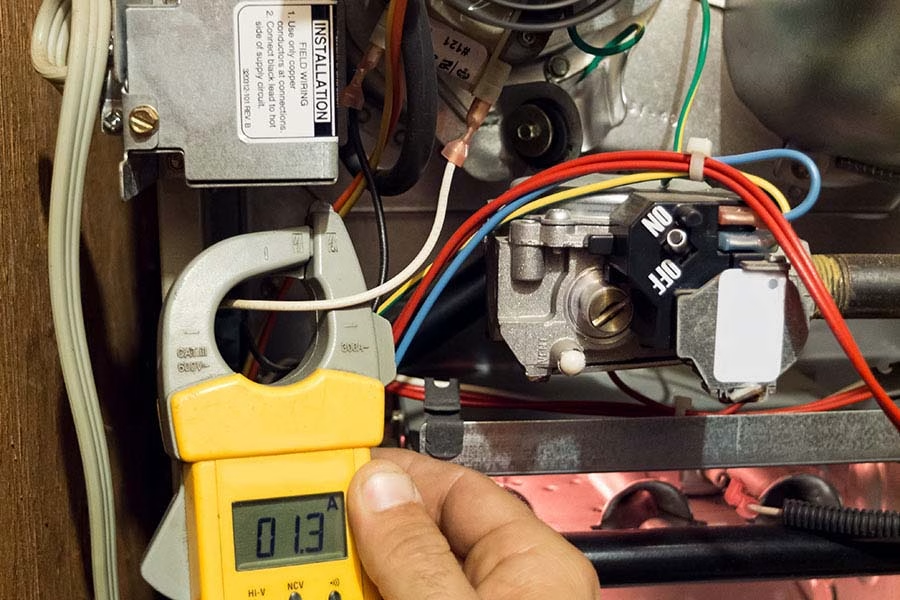
We inspect the heat exchanger, burners, ignition system, and flue for safety issues first. Then we work through the blower motor and capacitor, control board diagnostics, gas pressure and valve function, and thermostat calibration. We also pay close attention to ductwork condition and airflow, which in older Cleveland homes can be a significant source of heating loss.
Our NATE-certified technicians train monthly on all makes and models, and that preparation shows in the quality of the work we do in communities like Cleveland where the range of equipment we encounter on a single day can be wide.
Cleveland does not have large formal subdivisions the way faster-growing cities do. Most residential areas here are either established neighborhoods close to downtown or rural stretches where homes sit on larger parcels. We got a call one January from a man named Dale who lived out on Westmoreland Road. He had come home after a few days away to find his heat had been off long enough for the house to get dangerously cold.
When our technician arrived, the furnace had a failed draft inducer motor combined with a completely clogged filter. The system had been trying to run, failing to build proper pressure, and shutting itself down repeatedly as a safety measure. With the filter so restricted, the little airflow that did get through was not enough to keep the heat exchanger from overheating on the rare cycles that did complete.
We replaced the inducer motor, swapped the filter, and did a full inspection to make sure nothing else had been damaged during the repeated failed startup attempts. We talked through a plan for managing the system during future absences and made sure Dale had our number for the next time something came up.
We have been part of north Georgia since 1983, and mountain communities like Cleveland have been in our service area for a long time. We understand what the climate here demands of home heating systems.
Here is what you get when you work with us:
We are the kind of company that treats your home the way we would want our own home treated.

Furnaces that sit idle for extended periods can develop several issues. Condensate drains can clog, pilot lights can go out on older systems, and components that were marginal before the break can fail during the first startup attempt. Vacation and part-time homes in the Cleveland area see this fairly regularly. A pre-season check before an extended absence is a good habit.
Higher elevation means cooler average temperatures and longer heating seasons compared to communities further south. That translates to more run time for your furnace each year, which accelerates component wear. Systems in Cleveland and White County generally benefit from more frequent maintenance intervals than those in lower-elevation parts of north Georgia.
Extreme cold puts maximum demand on a system that may already be struggling. Components that were marginal in mild weather fail under peak load. It is also common for pressure differentials and venting issues to worsen in very cold conditions. A furnace that seems to work fine most of the time but fails during cold snaps is telling you something needs attention.
Yes. Crawl space moisture is one of the more underappreciated contributors to furnace and ductwork problems in mountain Georgia homes. Humidity that migrates into ductwork causes corrosion, reduces insulation effectiveness, and can introduce mold into the air supply. Addressing crawl space moisture is often part of a broader strategy to improve heating performance and indoor air quality.
Yes. We regularly service vacation properties and part-time residences throughout the Cleveland and White County area. We can also advise on how to manage your system during periods when the home is unoccupied to reduce the risk of failures and freeze damage.
Yes. We offer 24/7 emergency service throughout north Georgia, including Cleveland and the surrounding White County area. Given the temperatures this area can reach in winter, we take heating emergencies here seriously. Call us any time and we will get someone out to you.