


Lula sits near the base of the Blue Ridge foothills in Hall County, tucked between Gainesville and the mountains to the north. It is a small town with a tight-knit character, and most of the homes here reflect that. The residential landscape is defined largely by older single-family homes on generous lots, many of them built between the 1950s and 1980s when construction priorities leaned toward square footage and durability rather than energy performance. Heating systems in those homes have had to adapt over the decades, and not always with the help they deserved.
What sets Lula apart from other Hall County communities is its exposure to temperature swings that come with proximity to the mountains. Cold air masses that build up in the higher elevations to the north drain down through the river valleys and low gaps overnight, and Lula catches that drainage in a way that flatter communities nearby do not. Homes here can see significantly colder overnight lows than what the regional forecast suggests, which puts extra demand on furnaces that were already working at the edge of their capacity.
Conditioned Air Systems has been serving Hall County and the surrounding northeast Georgia region since 1983. We know what Lula’s homes are up against in winter, and we are ready when your furnace needs attention.

Furnaces in older Lula homes often show their trouble gradually, and the signs can be easy to write off until the system stops working entirely. These are the ones worth acting on before that happens.
Visible rust on the cabinet or flue pipe is something a lot of Lula homeowners notice but set aside. In a climate where cold mountain air drainage creates overnight condensation cycles on exterior surfaces, surface rust on a flue can indicate internal corrosion that is much harder to see from the outside. It is worth having a technician take a closer look whenever rust appears anywhere near the system.

The older housing stock in Lula presents a consistent pattern of furnace issues rooted in age and environmental exposure. Flue deterioration is near the top of the list. Many of the homes here still have original or near-original metal flue systems that have been exposed to decades of condensation cycling, particularly in the shoulder seasons when overnight temperatures drop sharply while daytime temps stay moderate. That cycling accelerates corrosion from the inside of the flue outward, and by the time it becomes visible it has often already compromised the system’s ability to safely vent combustion gases.
Heat loss through uninsulated or poorly sealed crawl spaces is another issue we encounter regularly in Lula. The older homes here frequently have pier-and-beam or block foundations with minimal crawl space protection, and cold air drainage from the north moves freely under those homes during cold snaps. Duct runs in those crawl spaces lose a significant amount of heat before it reaches the living areas, and the furnace compensates by running longer and harder than it should. Over time that added strain shortens the life of the blower motor and heat exchanger.
Standing pilot systems are also more common in Lula than in more recently developed communities. Thermocouples and pilot assemblies on those older units wear out quietly over years of use, and the intermittent shutoffs they cause are often tolerated as a quirk of an old furnace rather than addressed as a repair. In some cases that tolerance masks a more serious issue developing in the background.
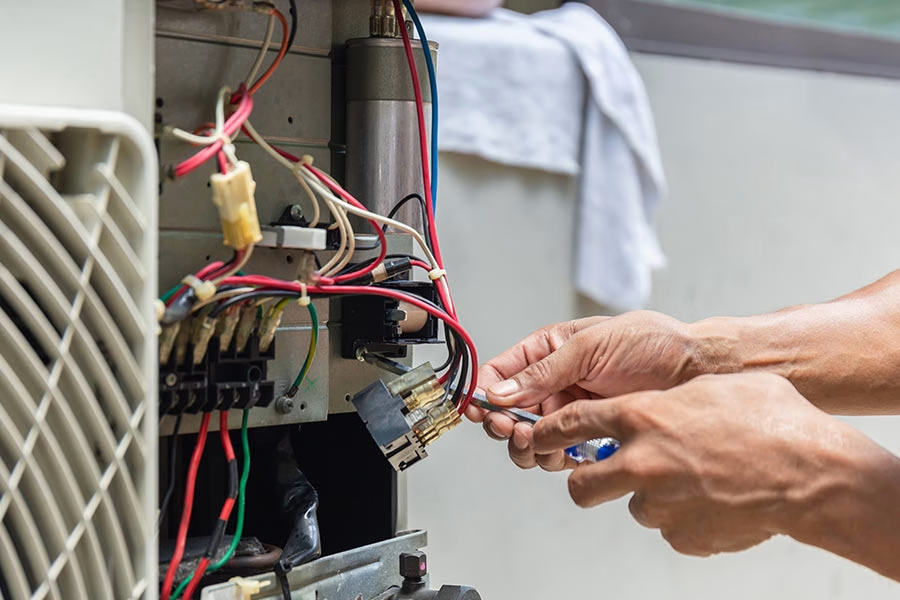
Every service call in Lula begins with a complete system inspection rather than a targeted look at the most obvious symptom. We check the heat exchanger for cracks and corrosion, inspect the burners and ignition components, test the flame sensor or thermocouple depending on the system type, evaluate the blower motor, and examine the flue for deterioration or blockage. For older homes with crawl space duct runs, we assess accessible sections of the duct system for heat loss that may be contributing to the performance problem.
Once the inspection is complete, we lay out what we found without burying the important details in technical language. We tell you what needs to be fixed now, what is worth watching, and what tells us the system may be approaching the end of its reliable service life. That last point matters in a community like Lula where a lot of equipment is genuinely old, and we would rather have that conversation directly than send someone into another winter with a system that is not going to hold up.
All repairs carry a full one-year warranty on parts and labor. Our NATE-certified technicians train monthly and are experienced with the older equipment types that are common throughout northeast Georgia, including standing pilot systems and single-stage gas furnaces that most newer technicians have never worked on. That depth of experience is something we make a point of maintaining.
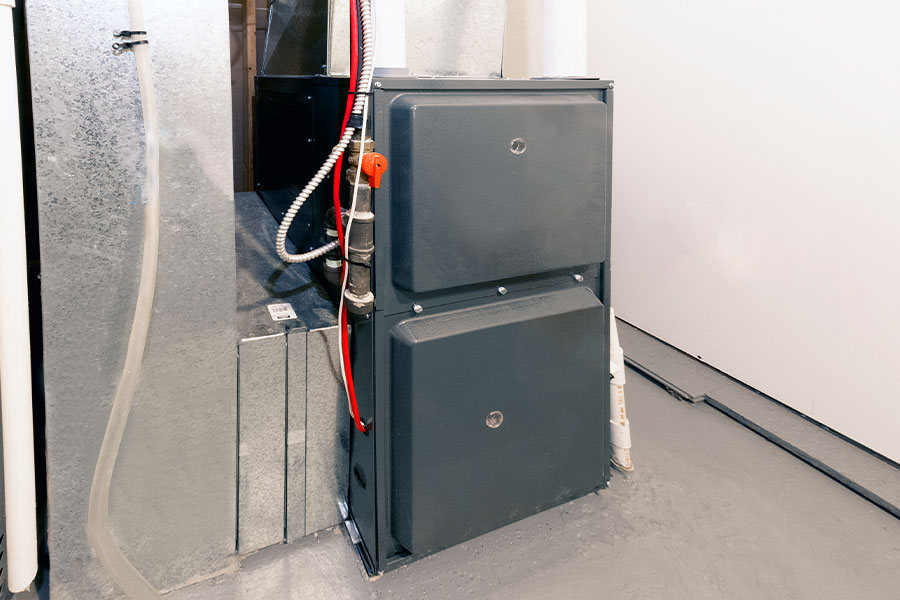
Lula is small enough that there are no named subdivisions to anchor an anecdote to, but the calls we get here are memorable in their own right. A couple of winters back we heard from a homeowner named Beverly whose furnace had been struggling since a particularly cold stretch in January. She described it as running all the time but never getting the house above 62 degrees, even with the thermostat set to 70.
When our technician arrived and got into the crawl space, the picture came together quickly. Two sections of flex duct had completely separated from their trunk connections, likely from years of thermal movement and the weight of the insulation wrap pulling them loose. A third section had a long tear in the outer jacket that was exposing the inner liner to the cold air moving through the crawl space. The furnace had been pumping conditioned air directly into the crawl space for what appeared to be at least one full heating season, possibly longer.
We reconnected and secured the separated duct sections, patched and wrapped the damaged liner, and verified airflow at every register before calling it done. Beverly said the house reached temperature for the first time in weeks within about 45 minutes of us finishing. The furnace itself was old but serviceable. It had just been fighting impossible odds with half its output going nowhere. Sometimes a thorough look in the right place is all it takes.

Small towns deserve the same quality of service as larger communities, and that has been our position since 1983. We do not skip steps on a job in Lula that we would not skip anywhere else. Here is what homeowners here can count on from us.
We have served northeast Georgia through every kind of winter this region has thrown at us. When your heat goes out in Lula, you deserve a company that shows up prepared and does the job right the first time.
The most common causes in older Lula homes are separated or damaged duct runs in the crawl space, a heat exchanger that has lost efficiency, or a blower motor that is no longer moving adequate airflow. A full inspection including the crawl space duct system will identify where the heat is going before it reaches your living areas.
Yes. Surface rust on a flue pipe often indicates internal corrosion that is more advanced than what you can see from outside. In homes that experience cold overnight temperature swings like those common in Lula, condensation cycles accelerate flue deterioration. A compromised flue affects the system’s ability to safely vent combustion gases and should be inspected promptly.
A pilot that will not stay lit is usually a sign that the thermocouple has worn out and can no longer hold the gas valve open. It is a common issue in older standing pilot systems and is typically a straightforward repair. Left unaddressed, it can mask other developing issues in the system, so it is worth getting looked at rather than repeatedly relighting it.
Cold air from higher elevations drains down through river valleys and terrain gaps overnight, and Lula sits in a position that catches that drainage. Homes here can see overnight lows several degrees colder than nearby communities, which puts additional demand on furnaces that were sized for average regional temperatures. Systems that are marginal in performance struggle most on those coldest nights.
Yes. Our technicians train monthly on all equipment types, including older single-stage gas furnaces and standing pilot systems that are common throughout Hall County and the surrounding area. We maintain that knowledge intentionally because communities like Lula have a lot of older equipment still in service, and those homeowners deserve technicians who actually know how to work on it.
